



What is my gun worth? A practical guide to valuing your firearm
If you've ever inherited a firearm, considered selling one, or needed to insure your collection, you've probably asked the same question: "what is my gun worth?"
What is my gun worth? A practical guide to valuing your firearm
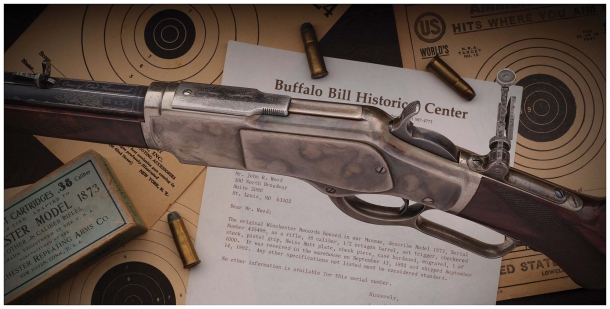
Gun values are affected by several variables.
Condition, rarity, regional demand, and timing are among them, and the spread between a low estimate and a high one can run into hundreds of dollars on even ordinary models.
The good news is you don't need to guess at any of this.
Whether you're a first-time seller or an executor working through an estate, there are reliable methods for arriving at a defensible number, from dealers that buy and appraise guns online like FirearmLand to hands-on dealer appraisals. This guide walks through each one and explains when to use it.

What determines a gun's value?

Before reaching for a price guide, it helps to understand what the market actually prices. Several factors carry more weight than most owners expect.
Make, model, caliber, and production year form the foundation of any valuation. A Colt Python from the 1960s occupies a completely different market than a current-production revolver in the same caliber. Manufacturer reputation, collector demand, and discontinuation status all feed into this baseline.
Condition is arguably the single biggest variable. A pristine Beretta 92FS will routinely outprice a rough example of a more desirable model.
Rarity and production numbers matter, but not as much as people assume. A discontinued model is not automatically valuable, as it needs an active collector base.

Market demand shifts over time, although not often. Ammunition availability, cultural moments, and regulatory changes all move prices. A caliber that becomes hard to find can depress firearm values in that chambering even for otherwise desirable guns.
Accessories, documentation, and packaging can add meaningful value. Original boxes, factory test targets, extra magazines, and period-correct holsters all appeal to collectors. On the other hand, unknown or cheap accessories barely add any value as customization is up to buyer preference.
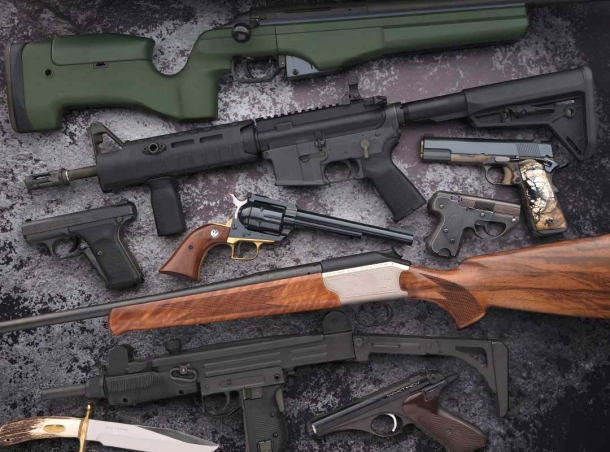
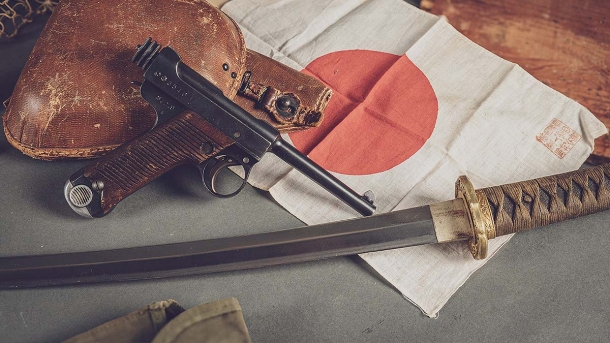
Provenance and historical significance apply in a narrow range of cases, documented military-issue arms, presentation guns, or firearms with verified celebrity or historical ownership. These require specialized appraisal and are the exception, not the rule.
Gun appraisal methods: five reliable ways to estimate value
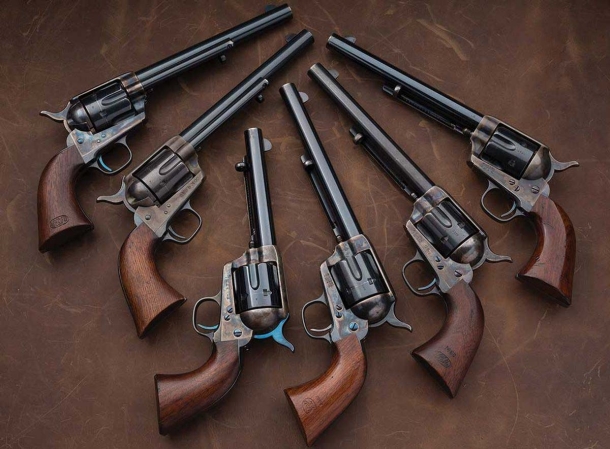
No single source gives you the full picture. The most accurate valuations draw from multiple methods.
1. Completed auction listings - Sites like GunBroker and Rock Island Auction publish completed sale results, not just asking prices. Filtering by "sold" listings shows what buyers actually paid, which is the only number that matters when you're pricing to sell. This method paints you a better picture than any printed reference.
2. Online pricing tools - Web-based tools aggregate recent transaction data and can return an estimate in seconds. They work best as a first step: quick, low-effort, and sufficient for a general range before you invest time in deeper research. We’ll cover these in more detail below.
3. Blue Book of Gun Values - The Blue Book is the industry's longest-standing reference and covers tens of thousands of models with condition-based pricing tables. Useful for establishing a baseline quickly but can lag behind active market values. We break down how to use it effectively in the next section.

4. Local gun shop or dealer appraisal - A face-to-face appraisal from an experienced dealer gives you a professional opinion grounded in local market conditions. Keep in mind that a dealer offering to buy your gun will factor in their own margin, so a "buy" offer is not the same as fair market value. Ask explicitly for a written appraisal if you need it for insurance or estate purposes.
5. Collector forums and enthusiast communities - Specialized forums for specific manufacturers or categories (Colt Single Action Army collectors, Hi-Power enthusiasts, and so on) often contain members with encyclopedic knowledge. While not formal appraisals, community opinions can surface nuances a general price guide might miss.

How to use the Blue Book of Gun Values and online pricing tools
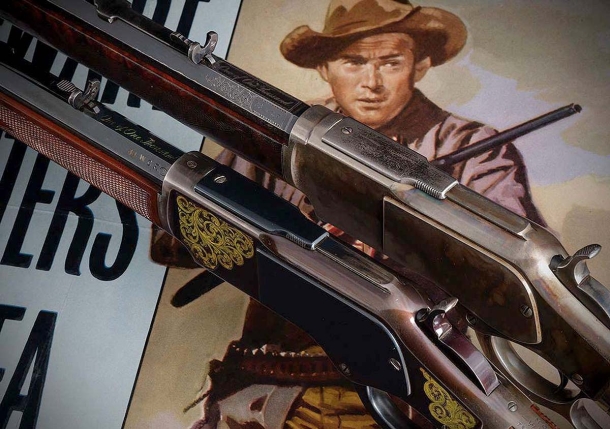
The Blue Book and similar reference guides establish a structured starting point, but they require some interpretation.
Understanding condition grades. The Blue Book uses standard condition tiers: Excellent, Very Good, Good, Fair, and Poor. Each tier corresponds to a different price point. The challenge is that different people apply these grades inconsistently. What one seller calls "Very Good" another might call "Good," and that gap can mean a significant difference in estimated value. Be honest and conservative when grading your own firearms. Buyers will be.
Book value vs. market value. The Blue Book is updated annually, but it can still lag behind fast-moving market conditions. Models experiencing a surge in collector demand may sell for well above book value, while guns in oversupplied categories may sell below. Use the Blue Book as your starting framework, not your final answer.

Where online tools fit in. Online pricing tools approach valuation from the opposite direction. Instead of referencing a printed guide, they pull from recent transaction data to give you a market-driven estimate.
Tools like FirearmLand provide instant estimates based on real market data, which makes them useful for getting a quick read before committing to deeper research. They're especially practical when you're sorting through multiple firearms – an estate with a dozen guns, for example – and need a fast way to triage which ones deserve detailed appraisal and which are straightforward.
The most reliable approach is to cross-reference both: use the Blue Book to understand condition-based pricing structure, then check an online tool or completed auction listings to see where the current market actually sits.
When those numbers align, you have a solid estimate. When they diverge, dig deeper. The market may have moved, or your condition assessment may need adjusting.
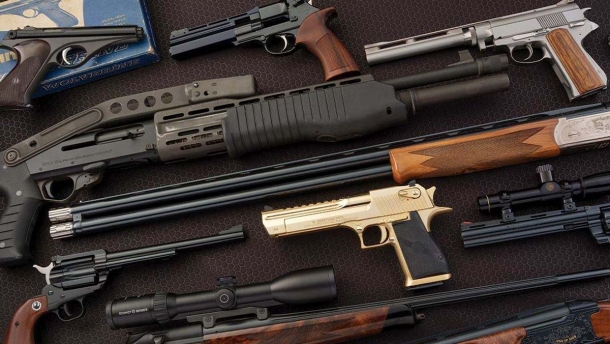

How much is a gun worth in used condition?

Used handguns and rifles show some of the widest pricing spreads in the firearms market. A barely used example of a Glock 19 might bring 75% of new retail. The same model with holster wear, a scratched slide, and a spongy trigger could sell for considerably less.
Typical wear factors that reduce resale value include:
-
Finish wear on contact points (holster wear, carry marks)
-
Pitting or rust, even if treated
-
Aftermarket modifications that can't be reversed
-
Missing or mismatched parts
Aftermarket upgrades are a frequent source of frustration for sellers. Custom triggers, grip stippling, and Cerakote jobs often cost more to install than they return at resale.
Buyers who want a stock gun won't pay a premium for modifications they didn't ask for. Buyers who want a custom gun typically want to build their own. Unless you're selling to a very specific buyer, assume modifications add little or no value.
Common mistakes that lead to bad price estimates

Letting emotional value drive the number. A gun that belonged to a grandparent has immense personal significance. The market doesn't price sentiment. Treat the firearm as what it is on paper, then decide separately whether you want to sell it at all.
Ignoring condition. Pricing a Good gun as if it were Excellent can mean a huge overestimate. On a S&W revolver or a Colt 1911, that gap can easily be a few hundred dollars. Use standard condition definitions consistently.
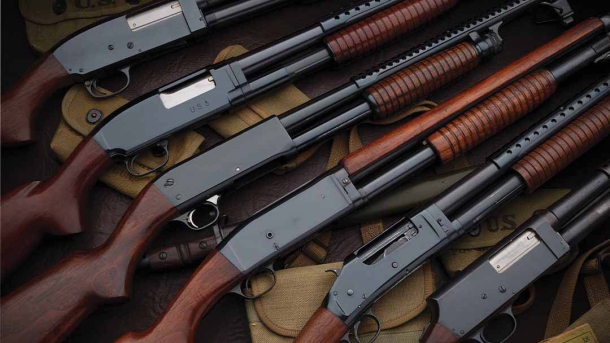
Comparing to unsold listings. An asking price on a marketplace listing is not a comparable sale. If a gun has been listed at $800 for four months, that's evidence the market doesn't support $800, not evidence that it's worth $800.
Forgetting transfer fees and local demand. Online sales typically require a transfer through a licensed dealer, which adds $25–$75 or more to the buyer's cost. Local demand also varies, a defensive pistol may move quickly in one region and slowly in another.
Assuming rare equals valuable. Rarity only translates to value when collectors are actively seeking the item. An uncommon variant of a gun nobody collects is just a gun with a small buyer pool.
Get the most accurate estimate
That pretty much wraps up the answer to your query.
Start with a fast online tool or reference book to establish a working number for your gun.
After that, verify against completed auction sales to see where the real market sits or just get a professional evaluation.
For valuable, unusual, or historically significant firearms, it’s generally better to add a face-to-face dealer appraisal or input from a specialized collector community.
Using more than one method is the only reliable path to a number you can stand behind.
